Our work

Inclusive Pathways

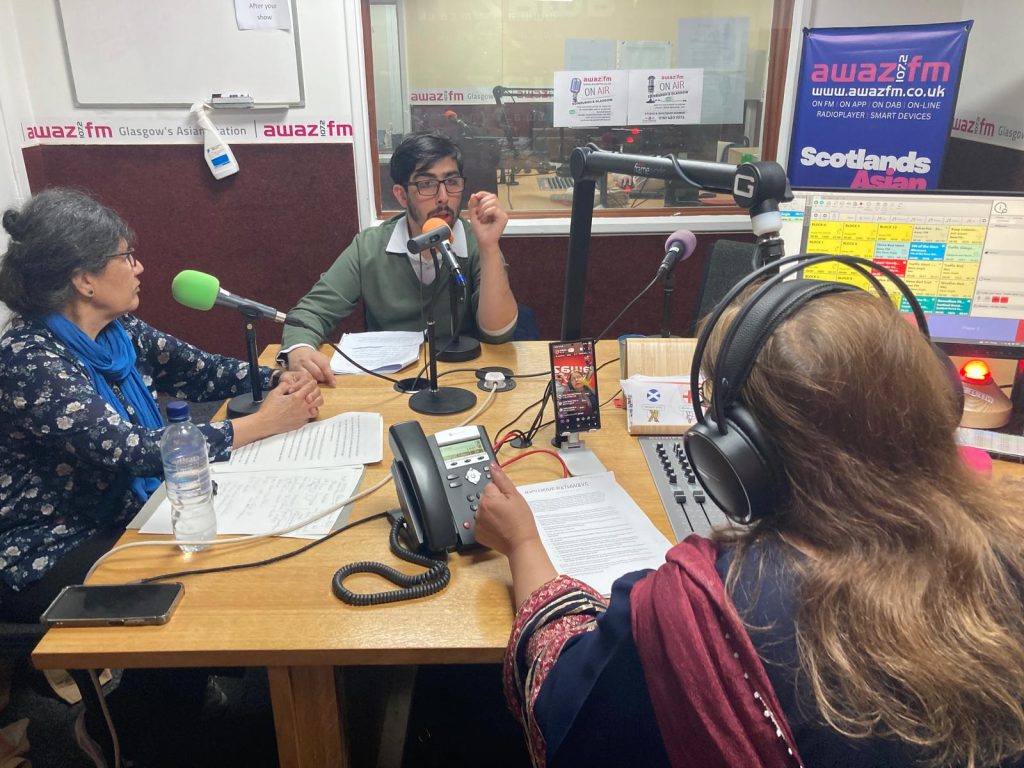
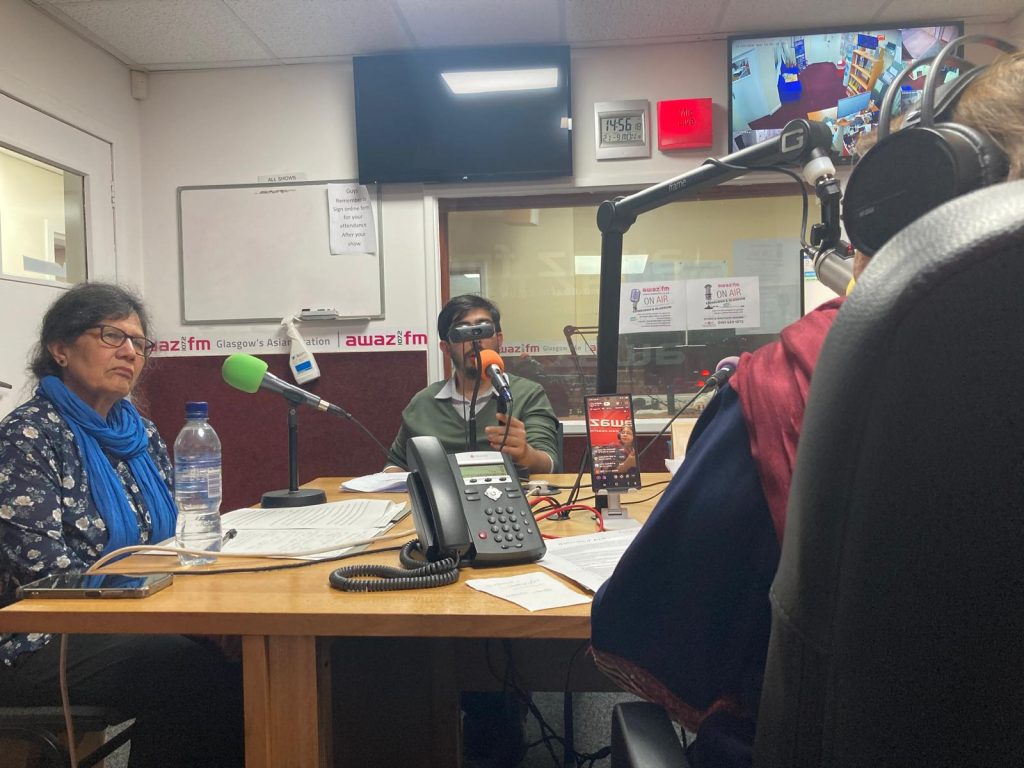
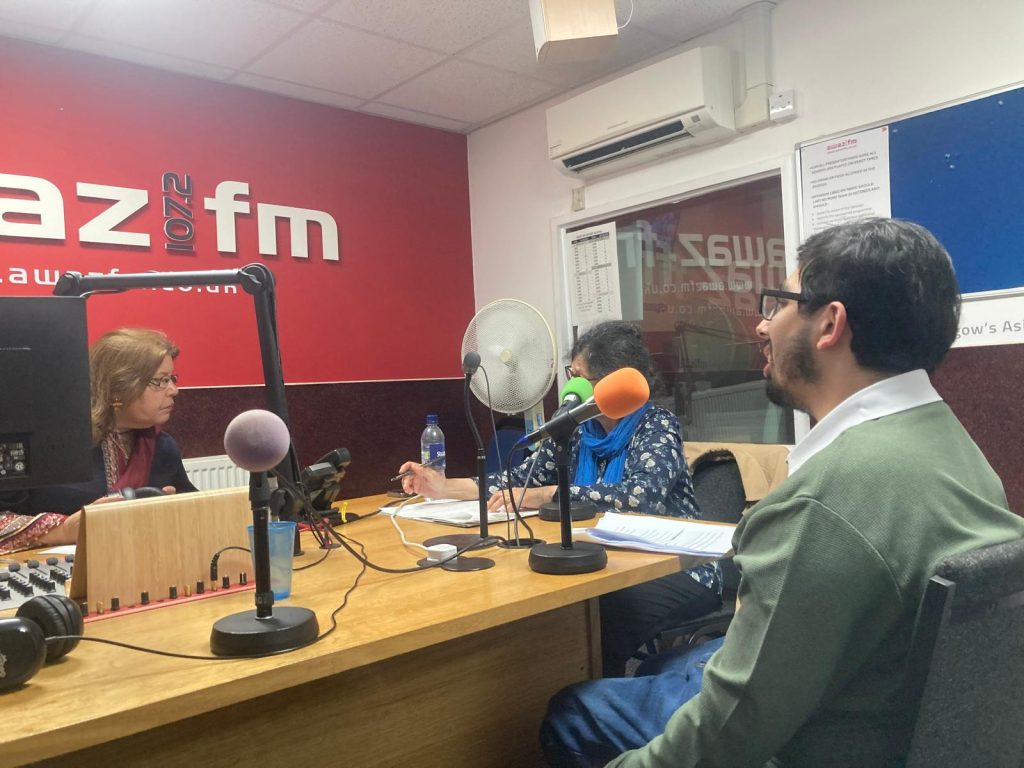
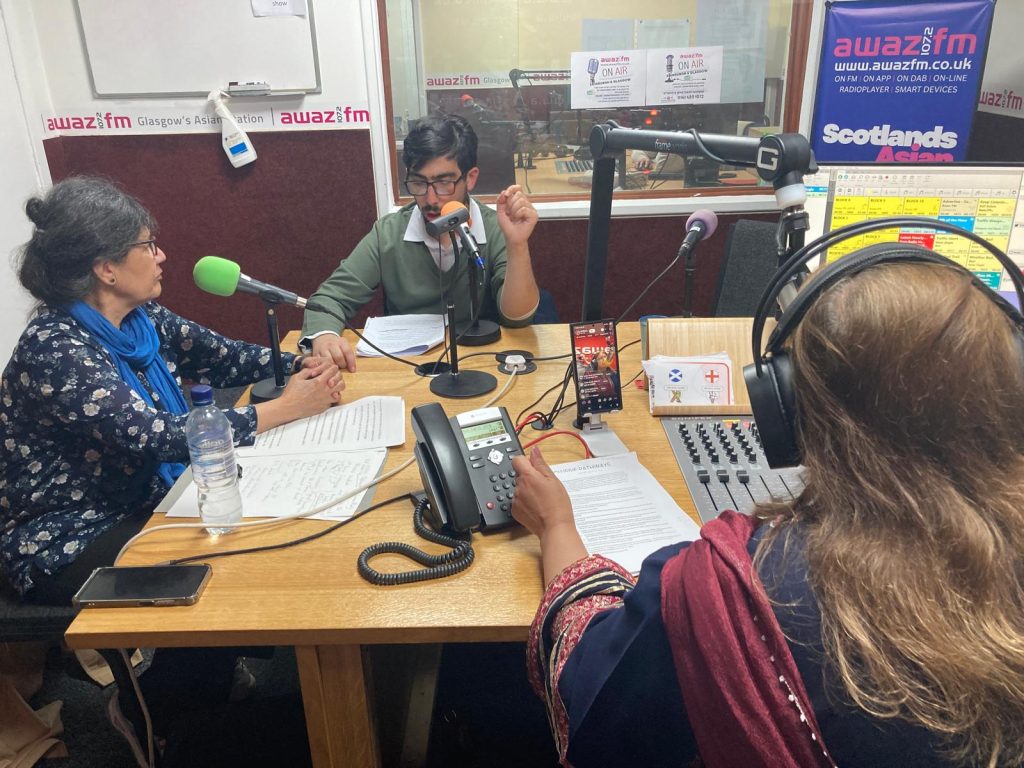
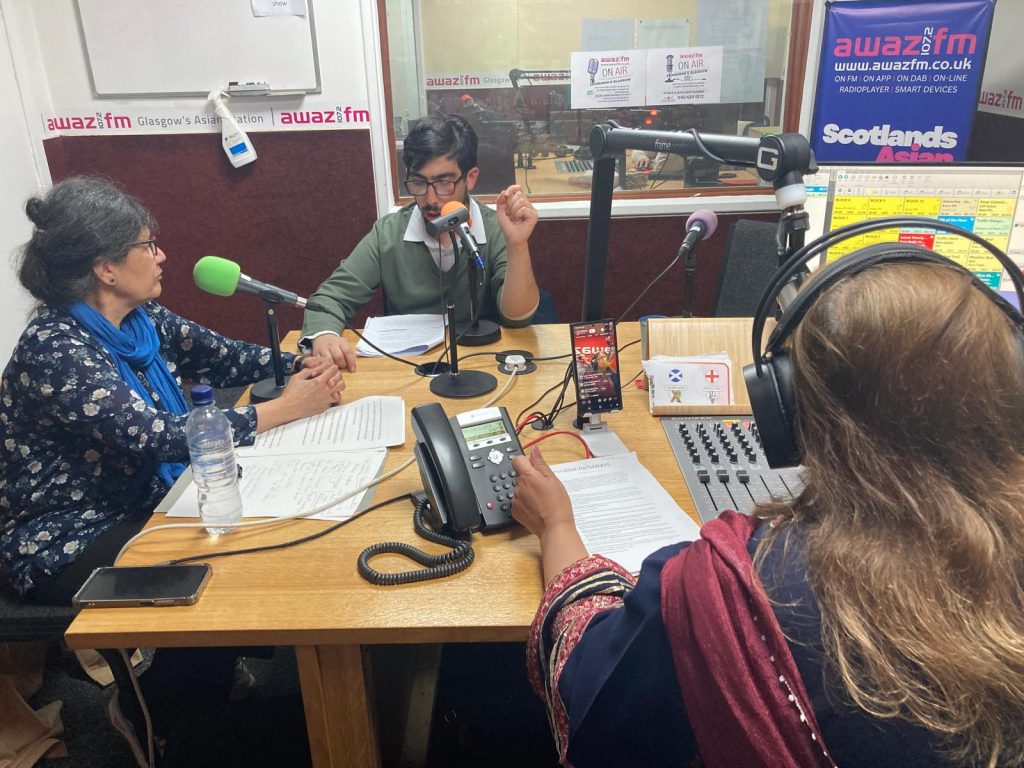
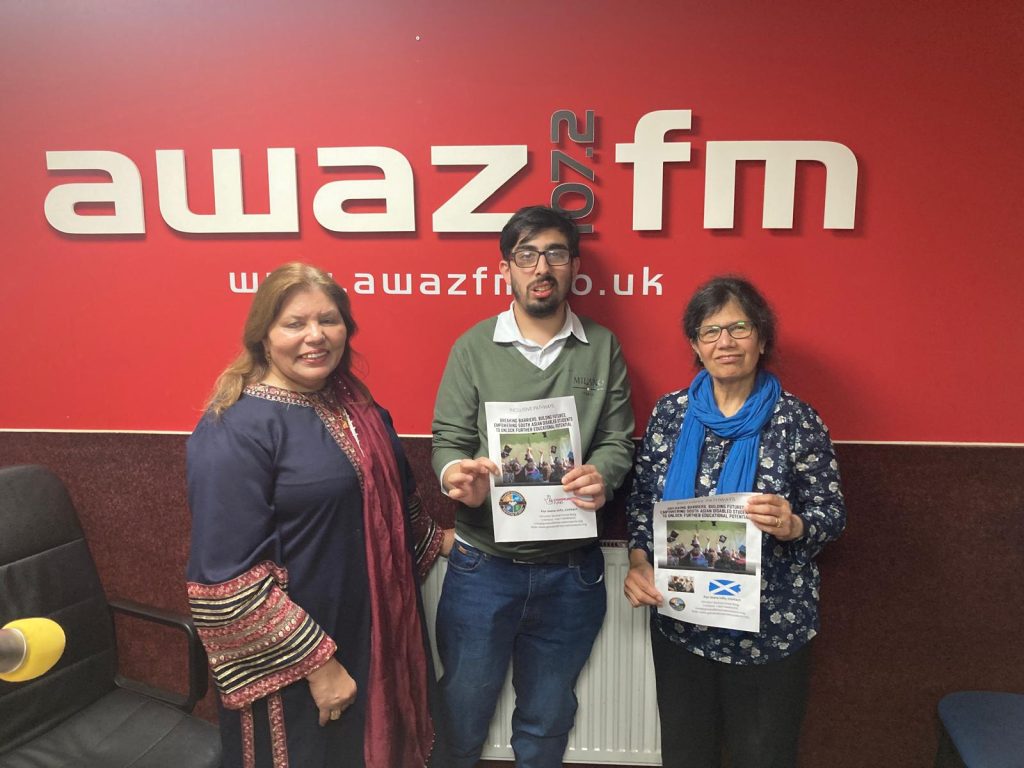
We are very pleased to announce the commencement of our Inclusive Pathways Project, an exciting new initiative supporting disabled South Asians across Glasgow and Edinburgh in higher and further education.

The project has been made possible thanks to funding from The National Lottery Community Fund, which will enable us to create opportunities for greater inclusion, participation and connection within the disabled South Asian community.

Through Inclusive Pathways, we aim to provide a welcoming and supportive space where disabled South Asians can come together, share experiences, build confidence, access opportunities and have their voices heard. The project will focus on addressing barriers to participation and ensuring that disabled people from South Asian communities are better supported to engage with their communities and wider society.

We recognise that disabled South Asians can experience multiple barriers to inclusion, including barriers connected to disability, culture, language, isolation and access to appropriate support. Inclusive Pathways has been developed to respond to these experiences and to help create more inclusive pathways for individuals and communities.

We are delighted to begin this important work in Glasgow and Edinburgh and look forward to working alongside disabled South Asians, community organisations, partners and other stakeholders to make the project a success.

We would like to express our sincere thanks to The National Lottery Community Fund for supporting Inclusive Pathways and helping us take this important step towards a more inclusive future.

Inclusive Pathways is about creating opportunities, strengthening connections and ensuring disabled South Asians have the support and voice they deserve.

Further information about the project, upcoming activities and how to get involved will be shared through our social media channels.

To further enquire about this, please visit : https://goodwillinternationalscio.org/inclusive-pathways-enquires/

Outer Page (1)
Our work

Community Outreach – The Consulate of Pakistan, Glasgow

Introduction

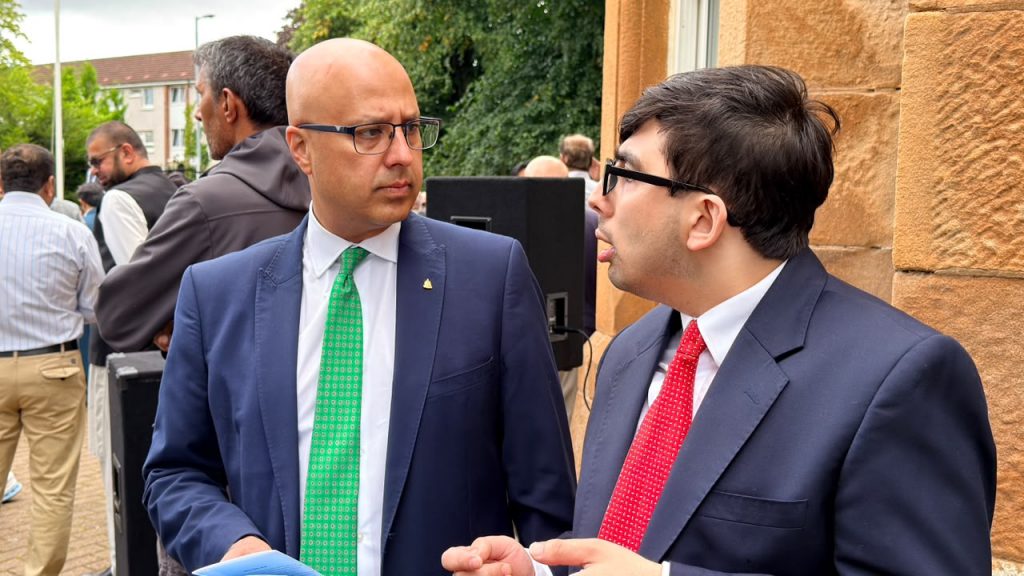
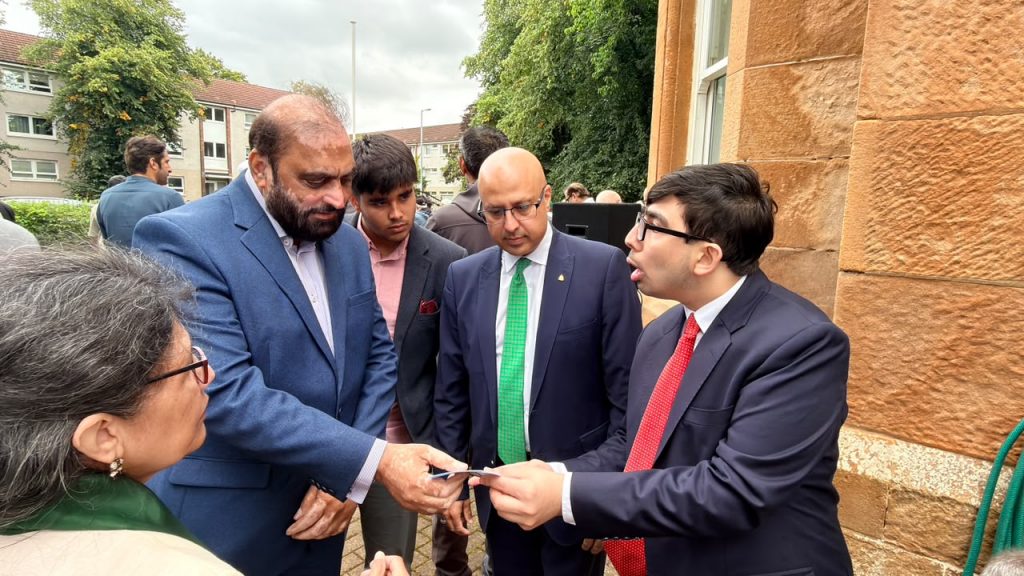
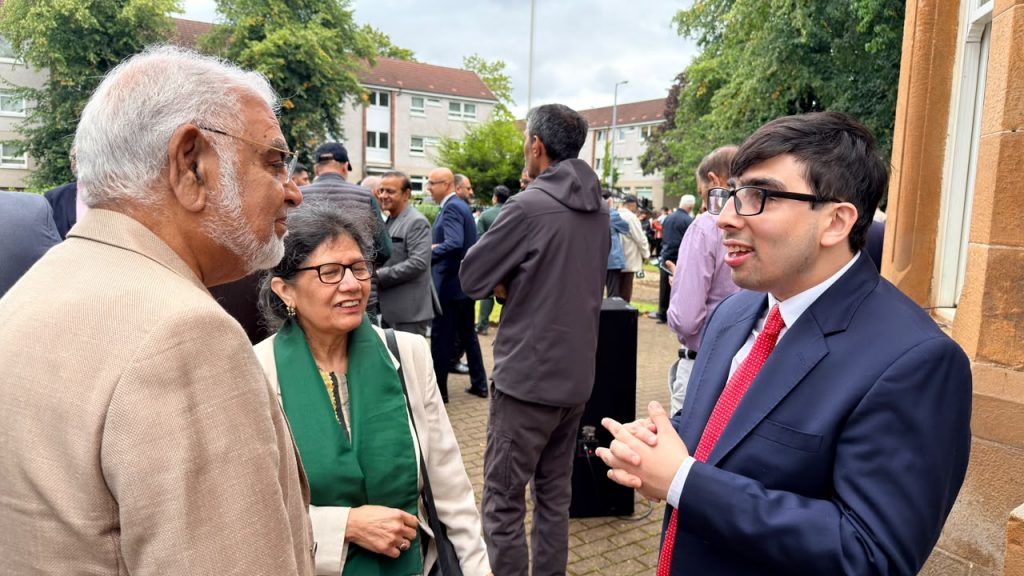
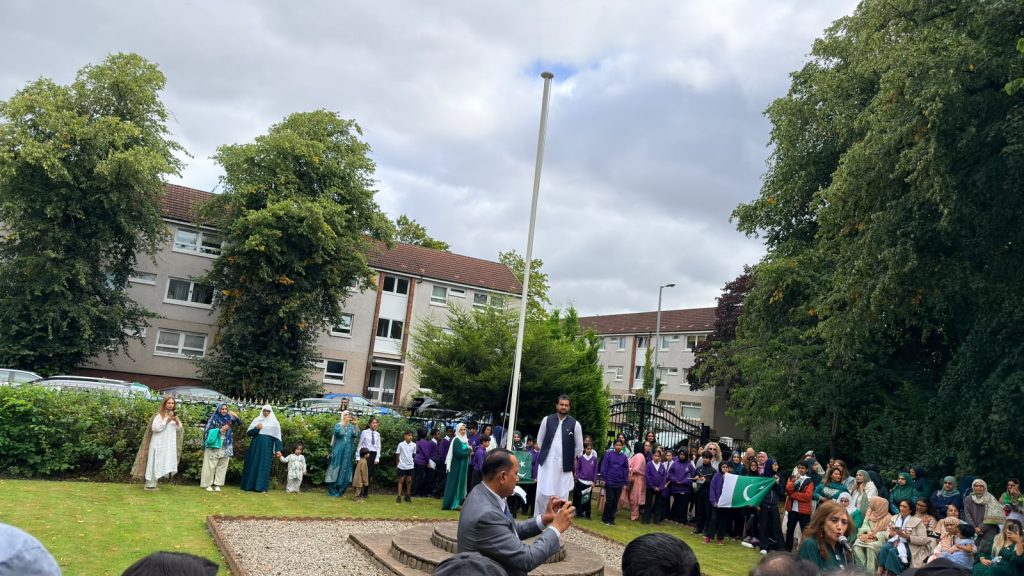
As part of Goodwill International (SCIO)’s community engagement work, Chair Ghulam M. Baig and trustees Dr Azra Meadows and Bakhsh Ur Rehman met with members of the Pakistani diaspora on Pakistan’s Independence Day. The meeting provided an opportunity to introduce the charity, strengthen relationships within the community, and discuss upcoming projects supporting disabled people within Scotland’s Pakistani community.

Inclusive Pathways

The idea of Inclusive Pathways is one the Chair has lived, learned, and experienced. It is rooted in the belief that disability should not determine a person’s access to education, skills, employment or wider participation in society.

In simple terms, Inclusive Pathways is a concept focused on supporting disabled South Asians to access and progress through colleges and universities. It seeks to address barriers that can exist before a person even reaches higher education, including limited information, lack of confidence, inaccessible services, cultural expectations, financial pressures and insufficient representation.

Scotland’s Census 2022 recorded almost 73,000 people identifying as Pakistani. A significant proportion of the Pakistani population lives within Scotland’s central belt, particularly around Glasgow and Edinburgh. This represents a substantial community, but understanding the experiences of disabled people within that population requires us to look beyond population figures alone.

The World Health Organization estimates that approximately 16% of the world’s population experiences significant disability. Applying this as a broad population-level indicator suggests that disability is not a marginal issue affecting only a small number of people. It is a significant part of every community, including Scotland’s Pakistani and wider South Asian communities.

However, there remains a gap between recognising disability as a demographic reality and understanding the specific experiences of disabled South Asians.

Why Inclusive Pathways matters

For many disabled South Asians, the barriers they encounter can be interconnected. A person may experience disability-related barriers alongside cultural, socioeconomic, educational or language barriers. These challenges can make navigating education and public services particularly difficult.

Inclusive Pathways therefore aims to move beyond simply asking whether disabled people are present in education. It asks whether they are:

  • aware of the educational opportunities available to them;
  • able to access colleges and universities;
  • receiving appropriate adjustments and support;
  • represented within educational environments;
  • able to progress from education into employment and leadership; and
  • able to participate without having to overcome unnecessary structural barriers.

The project also recognises the importance of family and community. Within many South Asian communities, decisions about education and future careers can involve parents, relatives and wider community networks. Engaging those networks constructively can therefore be an important part of creating sustainable pathways for disabled young people.

From lived experience to measurable change

Goodwill International’s approach is informed by lived experience but is intended to produce measurable outcomes. The objective is not simply to hold conversations about inclusion; it is to understand barriers, collect evidence and use that evidence to improve opportunities.

The project can create a bridge between community organisations, disabled people, families, colleges, universities and other stakeholders. Through engagement and research, Goodwill International hopes to develop a clearer picture of the experiences of disabled South Asians and identify where existing systems are working and where improvements are required.

This could include gathering information about educational aspirations, barriers to applications, experiences of reasonable adjustments, access to assistive technology, confidence in navigating institutions and transitions from education into employment.

Building a community evidence base

One of the longer-term ambitions of Inclusive Pathways is to contribute towards a stronger evidence base on disability within South Asian communities.

Disability data is often available at a broad population level, while the intersection between disability, ethnicity, education and socioeconomic circumstances can be less visible. Without appropriate evidence, it can be difficult for organisations and policymakers to identify where resources and interventions are most needed.

Goodwill International therefore sees community engagement as an important first step. Listening to disabled South Asians and understanding their experiences can help ensure that future programmes are designed around actual needs rather than assumptions.

A pathway, not a single intervention

Inclusive Pathways is deliberately described as a pathway. Education is not a single destination. For a disabled young person, the journey may involve school, college, university, vocational training, employment and eventually leadership or community participation.

At each stage, a barrier can interrupt that journey.

The purpose of Inclusive Pathways is to help identify those barriers and develop routes around them. This may involve information and guidance, skills development, mentoring, community engagement, institutional partnerships and improved awareness of disability inclusion.

Ultimately, the ambition is simple: a disabled person’s background should not determine how far they can go.

Goodwill International’s wider commitment

Inclusive Pathways forms part of Goodwill International’s broader commitment to supporting disabled people and strengthening inclusion within Scotland. As a disabled-led organisation, the charity believes that people with lived experience should be central to designing the solutions that affect their communities.

The meeting on Pakistan’s Independence Day was therefore more than a promotional opportunity. It was an opportunity to begin a wider conversation with the Pakistani diaspora about disability, education and inclusion.

For Goodwill International, the next stage is to turn that conversation into action: to listen, gather evidence, build partnerships and create practical pathways through which disabled South Asians can access education, develop their skills and participate fully in Scottish society.

Inclusive Pathways is ultimately about ensuring that inclusion is not simply a principle written into policy, but an experience that people can genuinely see, access and feel in their everyday lives.

Our work

“When Debt Meets Disability.”

Invisible Voices: Disabled South Asians in Glasgow – And Our Responsibility

Introduction

Debt is often understood in purely financial terms, but its implications extend far beyond economics. At its core, debt reshapes relationships of power, determining who holds authority and who must yield.

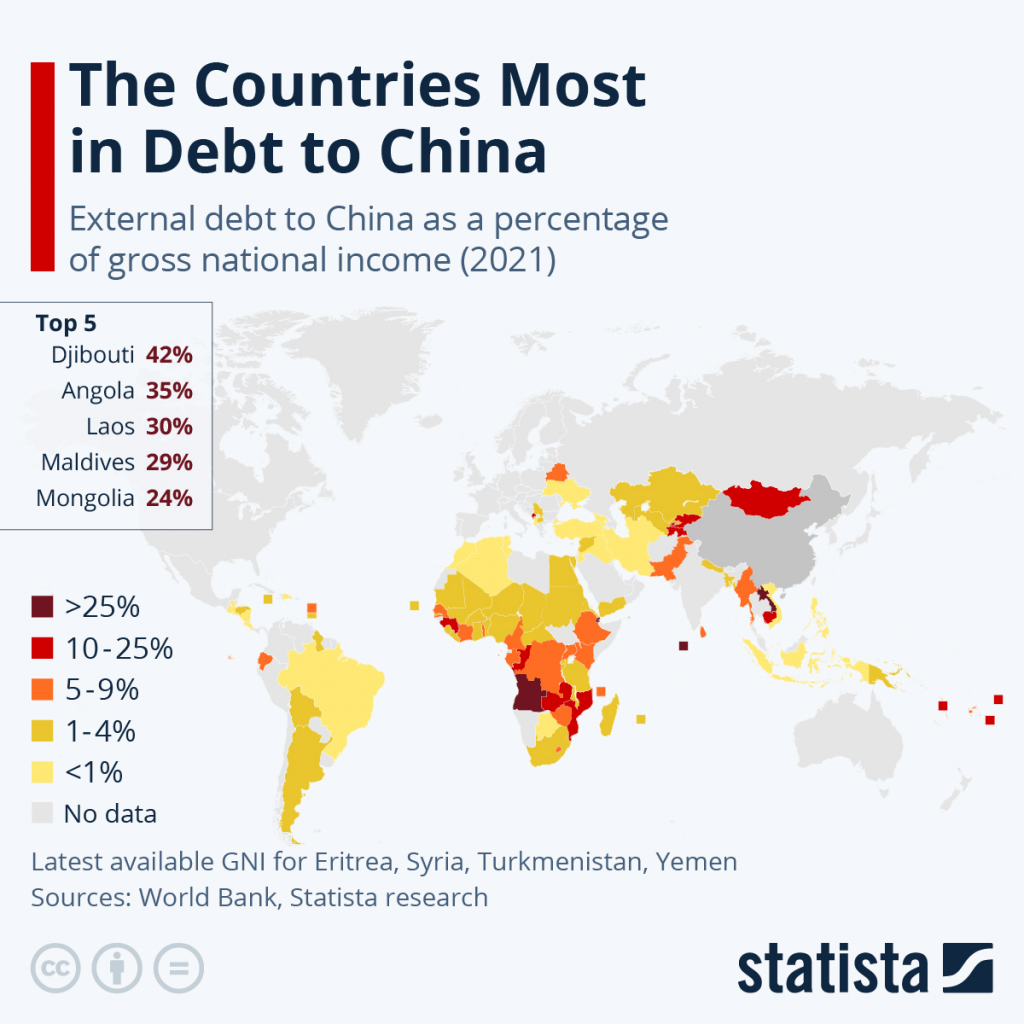
At the international level, when a country becomes indebted—particularly to a dominant creditor—it is often the creditor who gains leverage. Decisions around restructuring, repayment, and domestic policy can be influenced, directly or indirectly, by those to whom the debt is owed. Sovereignty may remain formally intact, but practical decision-making power shifts.

A similar dynamic exists on a personal level. When individuals are financially dependent, especially within families, the balance of decision-making subtly changes. For disabled individuals, this effect is often amplified, as financial reliance intersects with existing social and structural inequalities. Families often make decisions on behalf of their disabled members—sometimes out of care, sometimes because economic dependence leaves little choice.

This is not about malice; it is about the realities of power and dependence. Debt, whether between nations or within households, constrains autonomy.


Education, Awareness, and Representation

At Goodwill International, we recognise that education, safeguarding, and empowerment are critical. Yet despite Glasgow’s multicultural character, disabled South Asians are rarely visible in spaces where decisions are made. In council consultations, educational programs, and disability service meetings, I often find myself among the very few South Asians present.

Why is this happening?

The issue is intersectional:

  • Disabled individuals face barriers in access, education, and social inclusion.
  • Ethnic minorities confront language barriers, cultural misunderstandings, and prejudice.

South Asian disabled individuals experience both. Even when services exist, they are often inaccessible, poorly communicated, or culturally inappropriate. Families, while acting out of care and protection, may unintentionally contribute to this invisibility.

The harsh truth is it is our fault. As a community, we have not done enough to ensure visibility, representation, or advocacy. Programs exist, but we often fail to bridge the cultural and linguistic gaps that prevent participation.


Consequences of Inaction

The absence of representation has tangible consequences:

  1. Policy Blind Spots: Decisions affecting disabled South Asians are made without their input.
  2. Missed Opportunities: Education, employment, and social participation are limited.
  3. Internalised Invisibility: Young disabled South Asians may feel that institutions are “not for people like them.”

Our silence perpetuates exclusion. By not actively supporting, mentoring, or advocating, we allow systemic and cultural barriers to persist.


Taking Responsibility

Change starts within our community. To address these inequities, we must:

  • Raise Awareness: Talk openly about disability, challenge stigma, and educate families on rights and services.
  • Encourage Participation: Support disabled individuals to engage in education, community programs, and leadership opportunities.
  • Create Inclusive Spaces: Collaborate with institutions to make programs culturally relevant and accessible.
  • Advocate Together: Join councils, boards, and advisory groups to ensure representation in decision-making.

Representation and empowerment are not just institutional responsibilities—they are our responsibility as a community.


Conclusion

Debt, dependency, and underrepresentation share a central theme: power dynamics. Just as financial obligations can constrain choices at national or household levels, systemic and cultural barriers constrain the participation of disabled South Asians in Glasgow.

We can no longer ignore the issue. It is our fault that disabled South Asians remain invisible, and it is our responsibility to act. By educating, advocating, and creating inclusive spaces, we can ensure that disabled members of our community are not only present but seen, heard, and empowered to shape their own futures.

The question is simple: will we continue to ignore our own, or will we step forward and be the change our disabled members need?

en-logo2019-day-of-persons-with-disabilities
Our work

What does being disabled mean – International Day of Disabled Persons

Introduction

December marks the International Day of Persons with Disabilities, a moment that encourages societies to reflect on how they understand, support, and value disabled individuals. In the United Kingdom, the legally recognised term is “Disabled,” rather than alternatives such as “Differently Abled” or “Special Child.” This terminology carries legal and social implications. According to the UK Government, a person is considered disabled under the Equality Act 2010 if they have a physical or mental impairment that has a “substantial” and “long-term” adverse effect on their ability to carry out normal daily activities.

However, the Equality Act 2010 does more than define disability—it raises deeper questions about how disability is perceived within society. As my own research demonstrated, if disability is fundamentally a human experience, one that many individuals will encounter directly or indirectly during their lives, why do so many non-disabled individuals remain hesitant to engage with it? This discomfort invites multiple interpretations. Williams and Mavin (2012, p. 160) argue that social groups often resist the full inclusion of persons with disabilities. Harlan and Robert’s (1998) work, cited within Williams and Mavin (2012), explores how disabled individuals are constructed as the “other,” a label that keeps them separate from dominant norms. From a social constructivist perspective, Morgan (1986) suggests that organisations adapt to their environments; consequently, the norms and values they develop tend to privilege able-bodied expectations (Baig, 2025). This leaves disabled people positioned at the margins of organisational and social life.


Social Context: Learning from the Past

This understanding forces us to confront a difficult but essential question: can we learn from the mistakes of the past regarding social inclusion? Throughout history, disabled individuals have been socially excluded through segregation, stigma, and limited access to education, employment, and public life. Even as societies claim progress, historical attitudes often linger beneath the surface. Many museums, policies, and institutions still reflect able-bodied assumptions that were dominant decades ago.

Learning from the past requires acknowledging that exclusion was not accidental—it was systemic. Disabled people were often perceived as dependent, incapable of contributing economically, or in need of charity rather than empowerment. These narratives shaped generations of public policy and community attitudes, leaving a legacy that modern organisations continue to grapple with. Social inclusion today requires more than symbolic recognition; it demands a re-examination of the cultural, political, and organisational norms that continue to shape attitudes.


Ethnic Minority Experiences: The Intersection of Disability and Culture

Understanding disability in the UK is incomplete without recognising the unique experiences of ethnic minority communities. Disability intersects with culture, religion, language, migration histories, and socioeconomic barriers. In some communities, disability is still surrounded by stigma or interpreted through spiritual or cultural frameworks that discourage open discussion. As a result, families may feel pressure to manage disability privately rather than seek professional support.

Ethnic minority disabled individuals often experience a double marginalisation: first as disabled, and second as members of a minority culture that may already face racial or socio-economic inequality. These layers of identity shape how individuals navigate support systems, communicate with institutions, and feel represented within public services. They also impact confidence, disclosure, and trust in both healthcare and workplace structures. Meaningful inclusion, therefore, requires culturally sensitive approaches that recognise that disability is not experienced the same way across all communities.

Sexuality, LGBTQ+ Identities, and Disability: Overlooked Intersections

Another crucial yet often overlooked dimension of disability inclusion involves sexuality and LGBTQ+ identities. Disabled individuals who identify as lesbian, gay, bisexual, transgender, or queer frequently navigate what scholars describe as a triple marginalisation: discrimination based on disability, stigma related to sexuality or gender identity, and societal assumptions that deny their autonomy or agency.

Historically, disabled people have often been desexualised, viewed as asexual, or seen as lacking the capacity to form intimate relationships. These misconceptions not only distort public understanding but can have real consequences—limiting access to inclusive sexual education, healthcare, and relationship support. For LGBTQ+ disabled individuals, these barriers are compounded by the fact that many mainstream LGBTQ+ spaces are not physically accessible or culturally inclusive of disability.

Within ethnic minority communities, discussions around sexuality can be further constrained by cultural taboos, religious norms, or family expectations. When disability is added to this context, individuals may feel intense pressure to conceal their identity, limit self-expression, or avoid seeking support altogether. This layered invisibility contributes to higher risks of isolation, mental health struggles, and exclusion from both disability and LGBTQ+ advocacy spaces.

Workplace cultures also play a role. LGBTQ+ disabled employees may hesitate to disclose either identity for fear that doing so will result in stereotyping, bias, or being viewed as “difficult” or “too complex.” The challenge is not simply about disclosure; it is about whether organisations create environments where employees feel safe to bring their full selves to work. Inclusive leadership must therefore recognise intersectionality—not treating disability, race, culture, sexuality, or gender identity as separate categories, but as interconnected aspects of lived experience.

A genuinely inclusive society requires acknowledging that disabled LGBTQ+ individuals exist, that their experiences are valid, and that their needs must be considered in policies, services, and community spaces. Only by addressing these intersecting identities can we ensure that inclusion is not partial or selective but genuinely comprehensive.

Conclusion

The International Day of Persons with Disabilities invites reflection but also action. Understanding disability through the lens of law, social theory, culture, and workplace dynamics reveals a clear message: inclusion is not a one-time achievement, but an ongoing responsibility. It requires learning from historical mistakes, acknowledging cultural differences, and transforming organisational practices. Ensuring that disabled individuals—across all backgrounds—are valued and supported is not only a matter of equality but a measure of our collective social progress.

cropped-WhatsApp-Image-2025-11-18-at-10.20.01.webp
Our work

What does Good Will Mean?


Good Will means doing good for the people, by the people, and of the people. In a society marked by deep social and political division, good will is about working within existing systems to help individuals, support them, and strengthen their agency. It is a commitment to cooperation over conflict, and to empowering communities to shape their own futures.

Why Good Will
Good Will centers the lived experiences of individuals and uses those experiences to shape meaningful, practical support that helps people take control of their lives. Founded by Ghulam Baig, Good Will is driven by the belief that policy should not rest in the hands of the few, but should be informed and guided by the many. It is an effort to bring real voices into decision-making and ensure that communities themselves have the power to influence the policies that affect them.

How Goodwill is different

Rather than being a traditional top-down organization, Good Will works from the ground up. We listen first, act second, and ensure that communities—not institutions—shape the priorities of our work. Our focus is on practical, people-led solutions that reflect real needs, not assumptions.

Our small team brings together individuals who have worked across policy, social support, advocacy, and grassroots engagement. We draw from academic expertise, professional practice, and—most importantly—the lived experiences of the communities we serve.

These combined qualifications allow us to understand complex social issues, navigate existing systems, and develop people-led solutions that are both practical and impactful. We are equipped to support individuals, collaborate with community groups, and engage constructively with institutions to push for meaningful change.

Focus Groups

Who are Goodwill Targeting –

Good Will is open to everyone, because every individual deserves to be heard, supported, and empowered. At the same time, we place particular focus on ethnic minorities and marginalized communities, who are often overlooked in policy discussions and face additional barriers when navigating social systems.

By engaging both the wider public and communities whose voices are under-represented, Good Will ensures that policy and support systems reflect the full diversity of society—not just those who are most visible or most powerful.

Click to listen highlighted text!