Community Outreach – The Consulate of Pakistan, Glasgow
Introduction
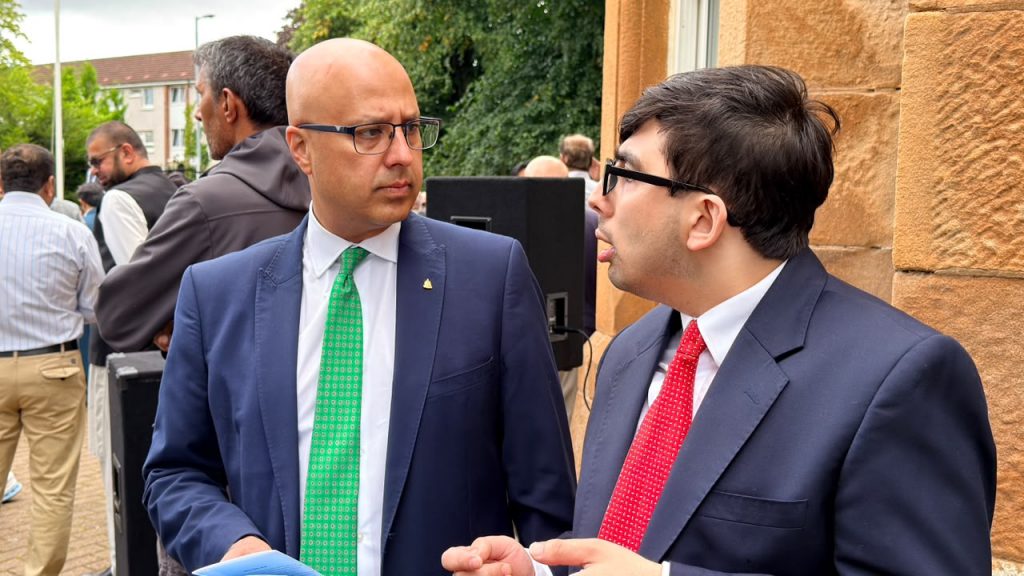
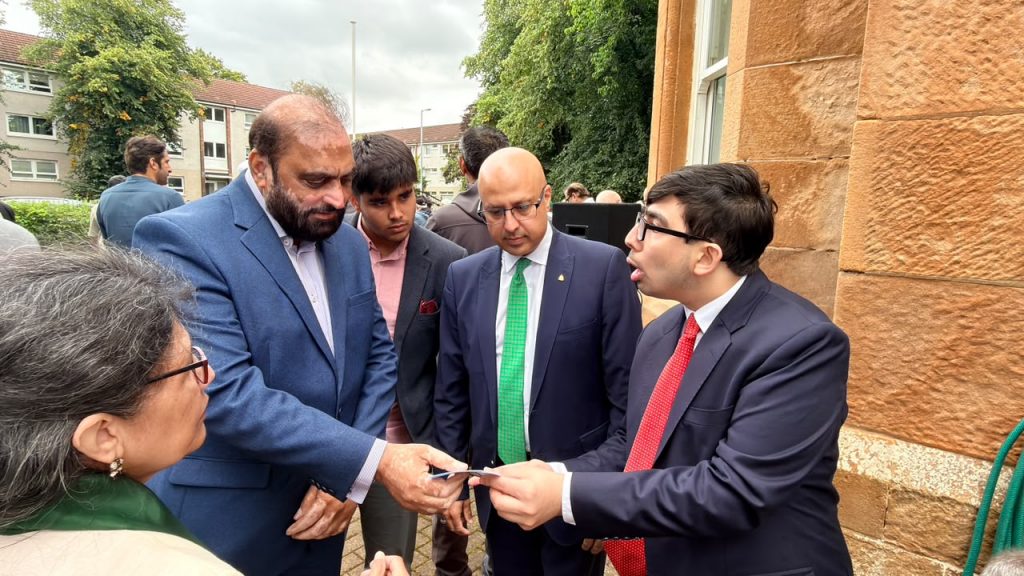
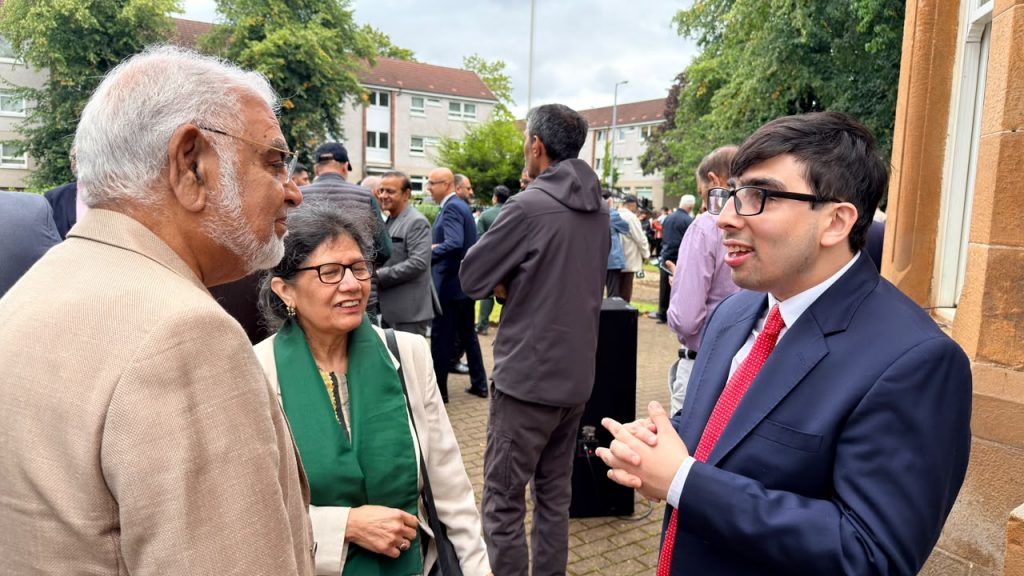
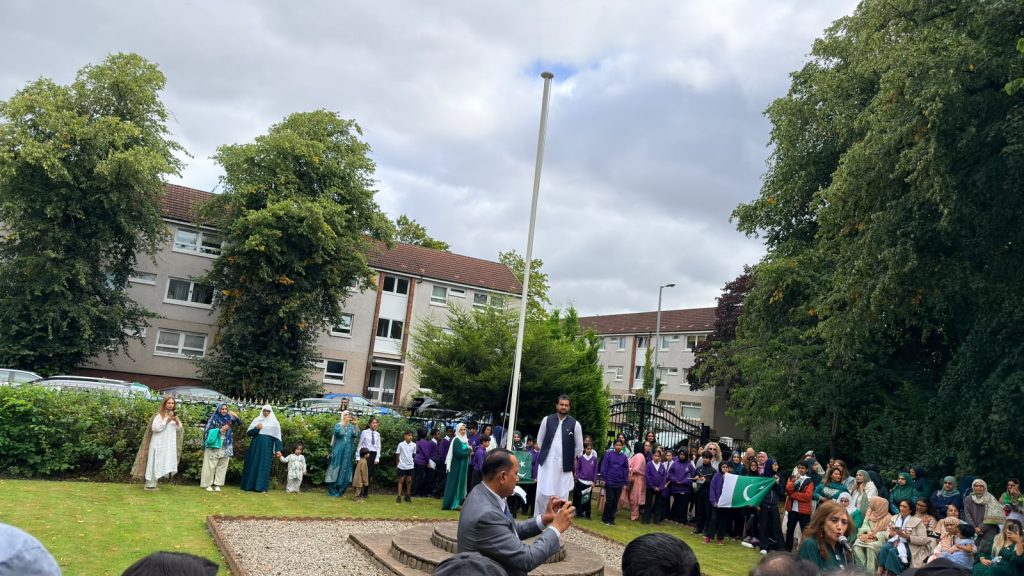
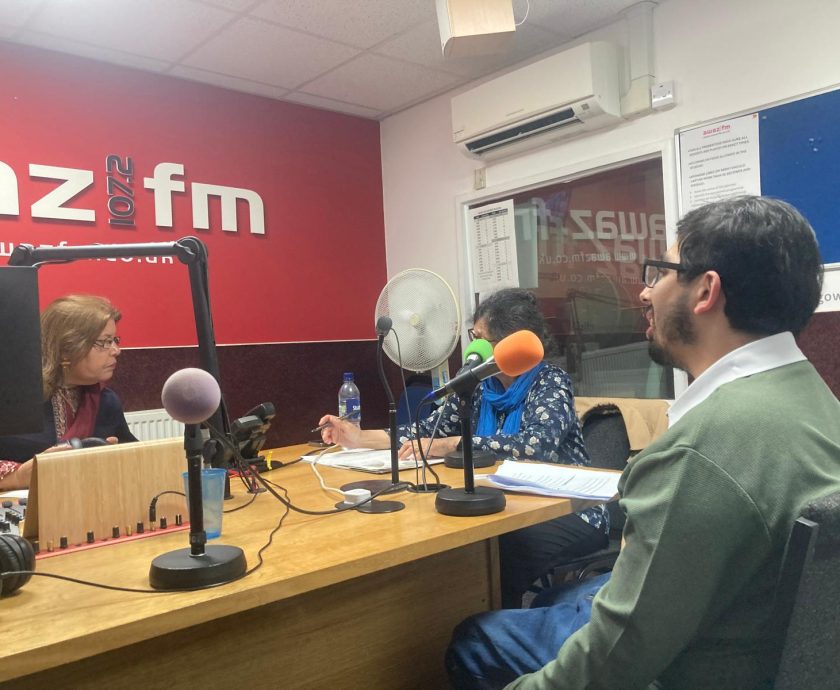
As part of Goodwill International (SCIO)’s community engagement work, Chair Ghulam M. Baig and trustees Dr Azra Meadows and Bakhsh Ur Rehman met with members of the Pakistani diaspora on Pakistan’s Independence Day. The meeting provided an opportunity to introduce the charity, strengthen relationships within the community, and discuss upcoming projects supporting disabled people within Scotland’s Pakistani community.
Inclusive Pathways
The idea of Inclusive Pathways is one the Chair has lived, learned, and experienced. It is rooted in the belief that disability should not determine a person’s access to education, skills, employment or wider participation in society.
In simple terms, Inclusive Pathways is a concept focused on supporting disabled South Asians to access and progress through colleges and universities. It seeks to address barriers that can exist before a person even reaches higher education, including limited information, lack of confidence, inaccessible services, cultural expectations, financial pressures and insufficient representation.
Scotland’s Census 2022 recorded almost 73,000 people identifying as Pakistani. A significant proportion of the Pakistani population lives within Scotland’s central belt, particularly around Glasgow and Edinburgh. This represents a substantial community, but understanding the experiences of disabled people within that population requires us to look beyond population figures alone.
The World Health Organization estimates that approximately 16% of the world’s population experiences significant disability. Applying this as a broad population-level indicator suggests that disability is not a marginal issue affecting only a small number of people. It is a significant part of every community, including Scotland’s Pakistani and wider South Asian communities.
However, there remains a gap between recognising disability as a demographic reality and understanding the specific experiences of disabled South Asians.
Why Inclusive Pathways matters
For many disabled South Asians, the barriers they encounter can be interconnected. A person may experience disability-related barriers alongside cultural, socioeconomic, educational or language barriers. These challenges can make navigating education and public services particularly difficult.
Inclusive Pathways therefore aims to move beyond simply asking whether disabled people are present in education. It asks whether they are:
- aware of the educational opportunities available to them;
- able to access colleges and universities;
- receiving appropriate adjustments and support;
- represented within educational environments;
- able to progress from education into employment and leadership; and
- able to participate without having to overcome unnecessary structural barriers.
The project also recognises the importance of family and community. Within many South Asian communities, decisions about education and future careers can involve parents, relatives and wider community networks. Engaging those networks constructively can therefore be an important part of creating sustainable pathways for disabled young people.
From lived experience to measurable change
Goodwill International’s approach is informed by lived experience but is intended to produce measurable outcomes. The objective is not simply to hold conversations about inclusion; it is to understand barriers, collect evidence and use that evidence to improve opportunities.
The project can create a bridge between community organisations, disabled people, families, colleges, universities and other stakeholders. Through engagement and research, Goodwill International hopes to develop a clearer picture of the experiences of disabled South Asians and identify where existing systems are working and where improvements are required.
This could include gathering information about educational aspirations, barriers to applications, experiences of reasonable adjustments, access to assistive technology, confidence in navigating institutions and transitions from education into employment.
Building a community evidence base
One of the longer-term ambitions of Inclusive Pathways is to contribute towards a stronger evidence base on disability within South Asian communities.
Disability data is often available at a broad population level, while the intersection between disability, ethnicity, education and socioeconomic circumstances can be less visible. Without appropriate evidence, it can be difficult for organisations and policymakers to identify where resources and interventions are most needed.
Goodwill International therefore sees community engagement as an important first step. Listening to disabled South Asians and understanding their experiences can help ensure that future programmes are designed around actual needs rather than assumptions.
A pathway, not a single intervention
Inclusive Pathways is deliberately described as a pathway. Education is not a single destination. For a disabled young person, the journey may involve school, college, university, vocational training, employment and eventually leadership or community participation.
At each stage, a barrier can interrupt that journey.
The purpose of Inclusive Pathways is to help identify those barriers and develop routes around them. This may involve information and guidance, skills development, mentoring, community engagement, institutional partnerships and improved awareness of disability inclusion.
Ultimately, the ambition is simple: a disabled person’s background should not determine how far they can go.
Goodwill International’s wider commitment
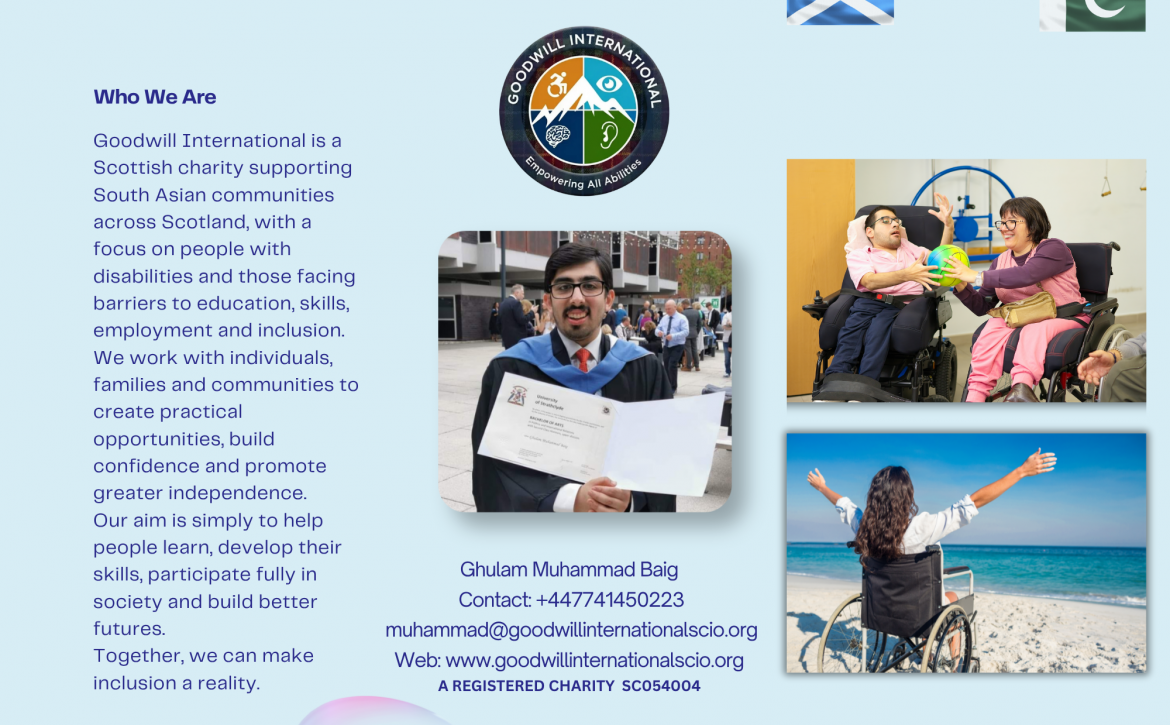
Inclusive Pathways forms part of Goodwill International’s broader commitment to supporting disabled people and strengthening inclusion within Scotland. As a disabled-led organisation, the charity believes that people with lived experience should be central to designing the solutions that affect their communities.
The meeting on Pakistan’s Independence Day was therefore more than a promotional opportunity. It was an opportunity to begin a wider conversation with the Pakistani diaspora about disability, education and inclusion.
For Goodwill International, the next stage is to turn that conversation into action: to listen, gather evidence, build partnerships and create practical pathways through which disabled South Asians can access education, develop their skills and participate fully in Scottish society.
Inclusive Pathways is ultimately about ensuring that inclusion is not simply a principle written into policy, but an experience that people can genuinely see, access and feel in their everyday lives.